
🌿 North Western Province · Sri Lanka's Largest Park
Wilpattu National Park —
Sri Lanka's Wildest
Safari Secret
Sri Lanka’s largest national park — 1,317 km² of ancient forest, natural lakes called Villus, and some of the island’s finest leopard, elephant, and sloth bear sightings. Just 185 km from Colombo, with virtually no crowds.
1,317 km²
Largest in Sri Lanka
60+
Natural Villu Lakes
200+
Bird Species
1938
Protected Since
185 km
From Colombo


About Wilpattu National Park
Wilpattu National Park — Sri Lanka's Largest & Most Exclusive Safari Destination
Wilpattu National Park is Sri Lanka’s largest and one of its oldest protected wildlife areas — a vast, ancient wilderness of 1,317 km² stretching across the dry-zone forests of the island’s northwest. Established as a game sanctuary in 1905 and formally designated a national park in 1938, Wilpattu predates even Yala in its protection history and covers a landscape of extraordinary ecological diversity: dense dry-zone forests, thorny scrubland, open grassy plains, and the park’s most distinctive feature — its unique network of natural freshwater lakes called Villus.
The park’s name itself derives from its defining characteristic: “Willu Pattu” in Sinhala means “land of lakes” — a reference to the more than 60 natural Villus scattered across the landscape. These shallow, grass-fringed pools form when rainwater collects in natural depressions in the sandy soil, and their edges become magnets for virtually every species of animal in the park. Watching a leopard emerge from the treeline to drink at a Villu at dawn, or witnessing a herd of 30 elephants wading into a lake at dusk, is the kind of wildlife experience that defines Wilpattu as one of Asia’s great safari destinations.
What truly distinguishes Wilpattu National Park from Yala — Sri Lanka’s more famous safari park — is its extraordinary lack of crowds. While Yala’s most productive zones can have 50 or more jeeps converging on a single leopard sighting, Wilpattu’s vast forests and limited visitor numbers mean that on a typical morning safari, you may encounter fewer than five other vehicles in an entire three-hour drive. For travellers who value the quality of the wildlife experience over the convenience of a well-known name, Wilpattu consistently delivers.
💧 What Are Villus? — Wilpattu's Unique Natural Lakes
A Villu (plural: Villus) is a shallow, natural freshwater lake formed by rainwater collecting in a natural basin in Wilpattu's sandy coastal plain. Unlike man-made tanks or river-fed lakes, Villus are entirely rain-dependent — their water levels rise and fall with the seasons, creating a constantly changing ecological dynamic.
Wilpattu has over 60 Villus distributed across the park, ranging from small, intimate pools fringed with grass to large open lakes 500 metres across. The most wildlife-productive Villus — including Kali Villu, Marai Villu, and Pomparippu Villu — are well known to experienced guides who plan routes around them based on recent animal activity.
In the dry season (February–September), as smaller water sources dry up, the Villus become the only drinking points for miles — concentrating leopards, elephants, deer, crocodiles, and birds around their shores in a way that makes wildlife encounters almost guaranteed. A Wilpattu safari timed around a large Villu at sunrise is considered by many wildlife photographers to be among the finest wildlife photography experiences in Asia.
Wilpattu Wildlife Guide
Animals You Can See at Wilpattu National Park
🐆 Sri Lankan Leopard — Wilpattu's Crown Jewel
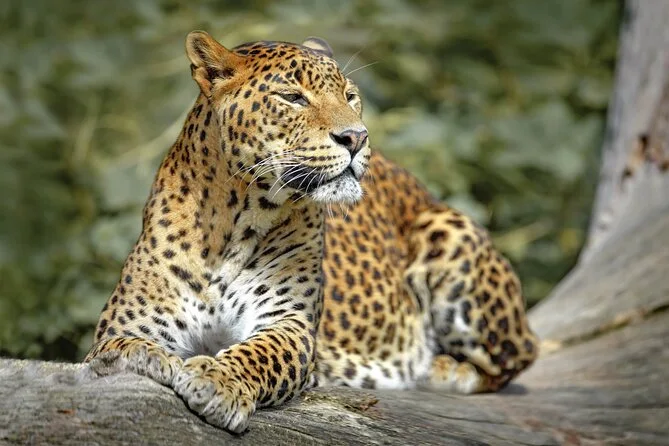
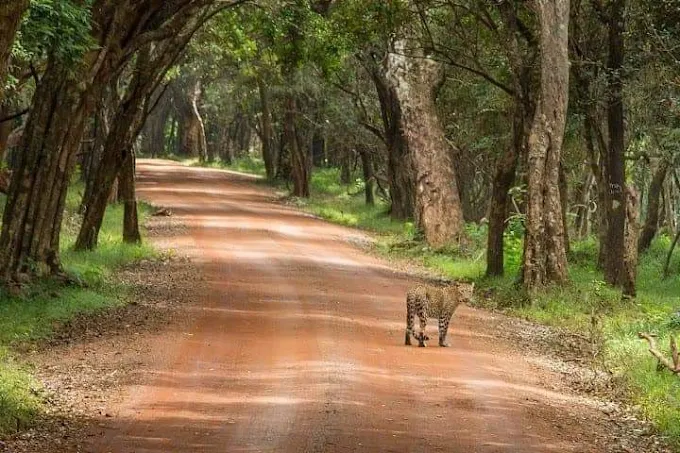
Wilpattu has one of Sri Lanka's most significant Sri Lankan leopard (Panthera pardus kotiya) populations. The park's dense forest habitat creates an environment where leopards move more naturally and are observed behaving in a completely undisturbed way — hunting, playing with cubs, and patrolling territorial boundaries — rather than being surrounded by dozens of jeeps as commonly occurs at Yala. Guide radio communication networks help locate active individuals, and morning sighting rates in the dry season consistently exceed 60–70%.
🐘 Asian Elephants — One of Sri Lanka's Most Important Habitats
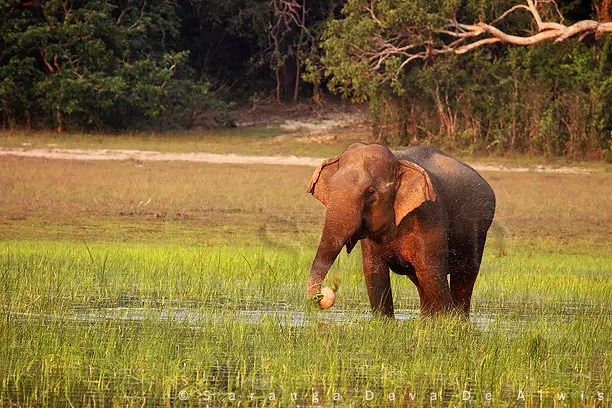
Wilpattu is one of the most important Asian elephant habitats in Sri Lanka, with an estimated population of 200–250 individuals. Large family herds are commonly seen at the Villus throughout the year, and solitary bulls are frequently encountered on forest tracks. The sight of a large herd entering a Villu lake at golden hour is one of the most breathtaking wildlife spectacles in Sri Lanka.
🐻 Sloth Bear — Wilpattu's Most Charismatic Resident
The sloth bear (Melursus ursinus inornatus) is found throughout Wilpattu and is arguably more reliably encountered here than at Yala. The park's rocky outcrops and termite-rich grasslands provide ideal habitat, and experienced guides know precisely where to look. Early morning and late evening are the best windows — bears are active foragers and are often seen excavating termite mounds on the open plains near the Villus.
🦌 Spotted Deer, Sambar & Other Mammals
The Wilpattu grasslands support large populations of spotted deer and sambar — the primary prey species for leopards and often seen grazing the Villu margins in groups of 20–50 individuals. Other commonly sighted mammals include golden jackal, Indian mongoose, fishing cat, wild boar, water monitor lizard, and Mugger crocodile basking at the Villu edges.
🦅 Birdlife — 200+ Recorded Species
Wilpattu is outstanding for birdwatching — over 200 species recorded, with exceptional diversity around the Villus. Key species include the painted stork, lesser adjutant, white-bellied sea eagle, crested serpent eagle, Indian roller, black-headed ibis, spot-billed pelican, purple heron, and during the North-East monsoon (October–February) a spectacular influx of migratory waders, raptors, and waterfowl from Central Asia and the Indian subcontinent.
Wilpattu vs Yala — Full Comparison
Wilpattu National Park vs Yala — Which Should You Choose?
| Feature | 🌿 Wilpattu | 🐆 Yala |
|---|---|---|
| Distance from Colombo | 185 km (~2.5–3 hrs) | 300 km (~3.5–4 hrs) |
| Park size | 1,317 km² | 979 km² |
| Typical jeep count | 5–15 jeeps | 30–60+ jeeps |
| Leopard sighting rate | 60–75% (dry season) | 75–90% (dry season) |
| Crowd experience | Quiet & exclusive | Busy at peak sightings |
| Landscape type | Dense forest + Villus | Open scrub + lagoons |
| Best for photography | Forest & intimate shots | Open landscape shots |
| September closure | Partial (check status) | Full Block 1 closure |
| Price (DS Travels) | From $135 per person | From $130 per person |
| Best season | Feb–Oct | Feb–Jul |
Both parks offer world-class safari experiences. Wilpattu is the better choice if you value privacy, forest ambiance, and a closer drive from Colombo. Read our full Yala guide →
Practical Visitor Information
Wilpattu Safari Fees, Opening Hours & Tips
Insider Safari Tips
How to Get the Most from Your Wilpattu Safari
Wilpattu's Hunuwilagama gate opens at precisely 6:00 AM. Unlike Yala where many jeeps queue overnight, Wilpattu typically has only 5–15 jeeps at opening. Being among the first vehicles inside means your guide can set the route based on fresh tracks — leopard and sloth bear are most active in the first hour of light. DS Travels' 5:30 AM Colombo departure is specifically planned to reach the gate at opening time.
The key to a great Wilpattu safari is spending time at the right Villus at the right time of day. Kali Villu, Marai Villu, and Pomparippu Villu are the park's most productive locations — large enough to attract substantial wildlife while positioned along known leopard patrol routes. An experienced guide will have checked overnight ranger reports and will know which Villus had recent activity before your vehicle even enters the gate.
Wilpattu sits just 30 km east of Anuradhapura — Sri Lanka's most sacred ancient city and a UNESCO World Heritage Site. Combining a morning Wilpattu safari with an afternoon visit to Anuradhapura's dagobas, the Sri Maha Bodhi (the world's oldest documented tree), and the ancient monastic ruins creates one of the most rewarding single-day itineraries possible in Sri Lanka. Ask DS Travels to include Anuradhapura on your itinerary.
The forest environment of Wilpattu amplifies sound significantly more than the open terrain of Yala. Complete silence when your guide stops near potential sightings is essential — leopards in forest habitat are acutely sensitive to human voices. Turn your phone to silent before entering the park. Bring a book or binoculars for the waiting periods near Villus — the patience of sitting quietly at a lake edge is frequently rewarded with extraordinary encounters.
Wilpattu's western boundary borders the Indian Ocean with a dramatic coastline of bare reddish cliffs and narrow beaches at Portugal Bay and Dutch Bay — named for the colonial-era ships that sheltered here. The coastal fringe of the park is home to a distinct bird community including waders, terns, and sea eagles, and is particularly beautiful in the late afternoon. Ask your guide to include the coastal section if time allows — very few visitors see this part of the park.
Frequently Asked Questions
Wilpattu National Park — Common Questions Answered
❓ What is Wilpattu National Park famous for?
Wilpattu is famous for being Sri Lanka's largest national park, its unique Villu natural lakes, excellent leopard and elephant sightings, and its crowd-free safari experience — typically just 5–15 jeeps compared to 50+ at Yala.
❓ How far is Wilpattu National Park from Colombo?
Wilpattu is 185 km from Colombo — about 2.5–3 hours by car. This makes it significantly closer than Yala (300 km), making it the most accessible safari destination for visitors staying in Colombo or Negombo. DS Travels' Wilpattu day tour departs at 5:30 AM.
❓ What animals can you see in Wilpattu National Park?
Sri Lankan leopards, Asian elephants, sloth bears, spotted deer, sambar, wild buffalo, jackals, mongoose, fishing cats, mugger crocodiles, and 200+ bird species.
❓ What are Villus in Wilpattu National Park?
Villus are natural freshwater lakes unique to Wilpattu — shallow, grass-fringed pools formed by rainwater in natural depressions. With 60+ Villus, they are the park's defining feature and the key wildlife hotspots for leopards, elephants, and birds.
❓ Is Wilpattu National Park better than Yala?
For privacy and an exclusive experience, Wilpattu wins — far fewer tourists, deeper forest, and a more natural atmosphere. For leopard sighting probability, Yala has a slight edge in peak season. Both offer world-class safaris. Compare Wilpattu and Yala →
Nearby Destinations
Explore Sri Lanka from Wilpattu
Location
How to Get to Wilpattu National Park
🗓️ Best Time for Wilpattu Safari
Open year-round · Best Feb–Oct
🚗 How to Get to Wilpattu
From major cities in Sri Lanka
Book a Wilpattu Safari with DS Travels
Private pickup from Colombo or Negombo at 5:30 AM. Timed arrival at the 6 AM gate. Expert guide. Crowd-free safari experience. Reserve now, pay later.
📋 View Wilpattu Safari Tours 💬 Chat on WhatsApp