
Sri Lanka's Most Perfectly Preserved Ancient City
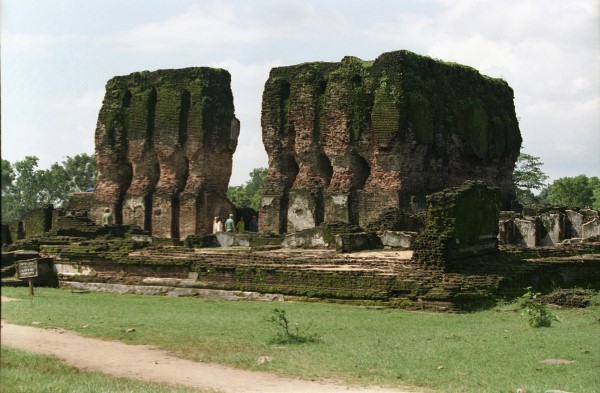
Polonnaruwa was the second capital of ancient Sri Lanka and one of the great medieval cities of Asia. After the fall of Anuradhapura to South Indian invaders in the 10th century, the royal court moved south to Polonnaruwa — a more defensible position on the banks of a vast man-made reservoir. The city reached its golden age under King Parakramabahu I (1153–1186 AD), who launched an extraordinary programme of construction that transformed Polonnaruwa into a magnificent royal capital of palaces, monasteries, temples, and hydraulic engineering on an almost incomprehensible scale.
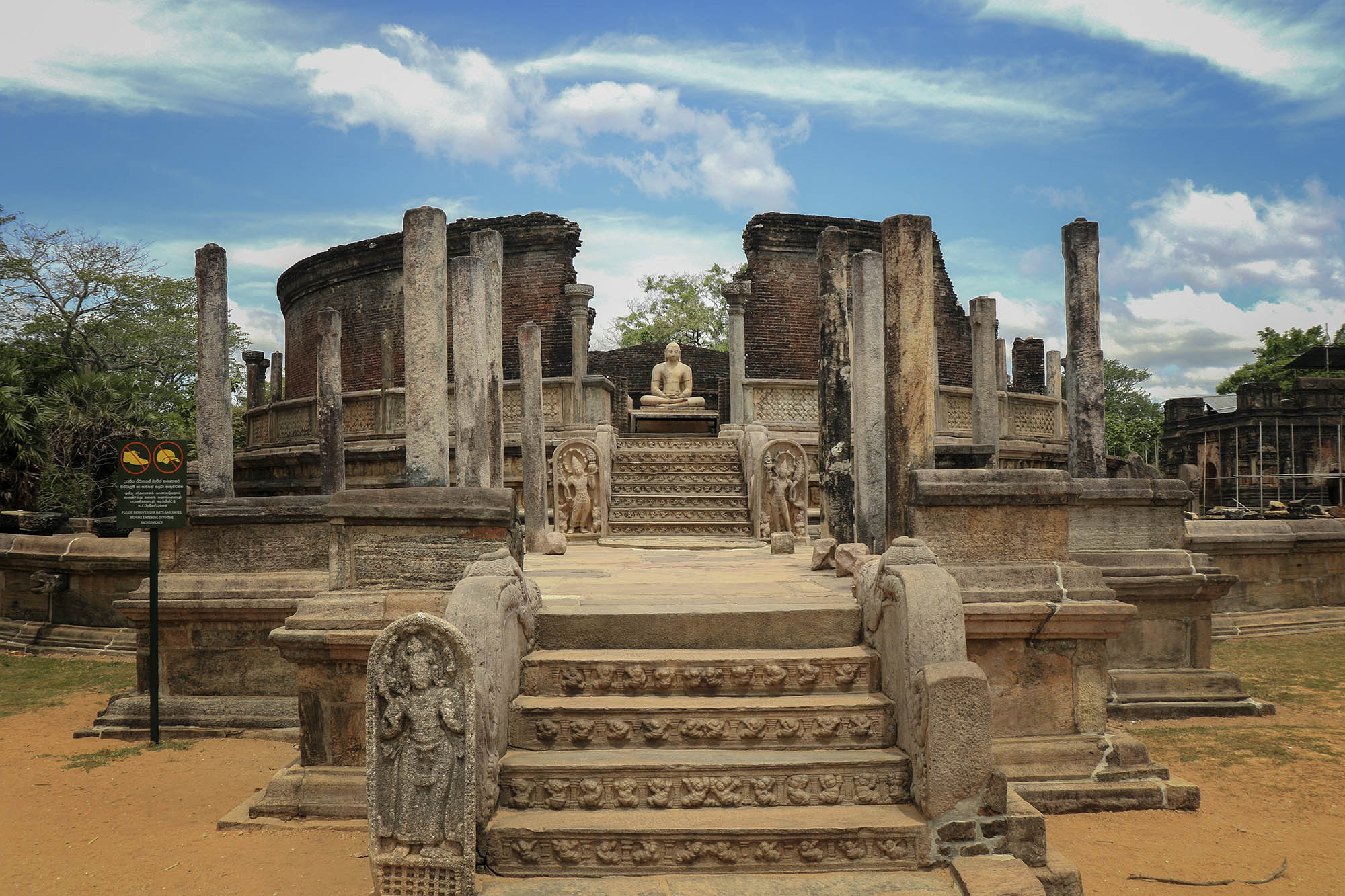
Unlike Anuradhapura — which was a vast, sprawling city abandoned for over a thousand years — Polonnaruwa is remarkably compact and well-preserved. The ruins are concentrated within a manageable area that can be explored thoroughly by bicycle in a single morning. The city's monuments are strikingly intact: carved moonstones still guard temple entrances, the elegant lines of the Vatadage are immediately readable as the circular relic shrine they were designed to be, and the Gal Vihara Buddhas retain an extraordinary spiritual presence.
Designated a UNESCO World Heritage Site in 1982, Polonnaruwa is visited far less than Sigiriya and Dambulla — making it one of Sri Lanka's most rewarding and uncrowded heritage destinations. DS Travels' Polonnaruwa tours are timed to arrive early, before the midday heat and the day-trippers from Colombo.
Top Attractions at PolonnaruwaWhat to See & Experience
Everything You Need to Know
Make the Most of Your Visit
The Polonnaruwa Archaeological Museum near the entrance has a stunning scale model of the ancient city in its prime. Spending 20 minutes here before entering the ruins gives you a completely different perspective on what you're looking at — suddenly the fragments of walls and foundations make total sense. Don't skip it.
The site covers about 4 km from north to south. Bicycles are available to rent for around $2–3 at the entrance and make the whole experience far more enjoyable. You can move freely between sites, stop wherever you like, and cover the full extent of the ruins without exhausting yourself in the heat.
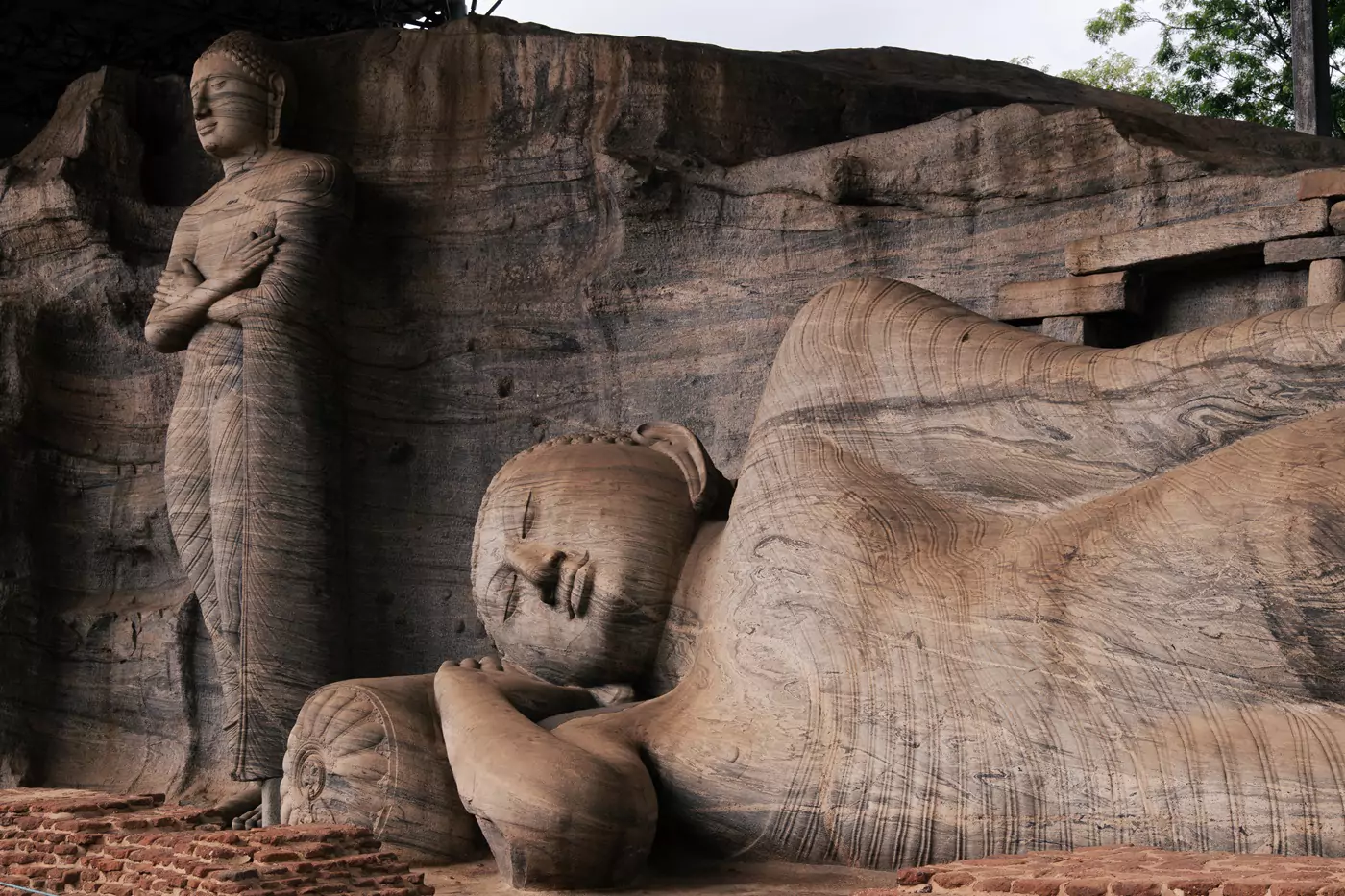
The Gal Vihara rock temple is located at the northern end of the site. Save it until last — entering the presence of those four enormous Buddha figures carved directly from the rock face is genuinely moving, and works best as the emotional culmination of the whole visit rather than the beginning.
Troops of toque macaque monkeys roam freely through the ruins — they're entertaining but bold. Keep food in sealed bags or your daypack, and don't offer them anything as it encourages aggressive behaviour. Keep a firm grip on any bag or camera near the food stalls at the entrance.
Many visitors underestimate how much there is to see at Polonnaruwa. The Quadrangle alone deserves 30–45 minutes, and the walk from the Royal Palace to Gal Vihara by bicycle takes another 45–60 minutes with stops. Budget at least 2.5 hours — ideally 3 — to experience the site fully without rushing.
Polonnaruwa — Common Questions Answered
❓ What is Polonnaruwa famous for?
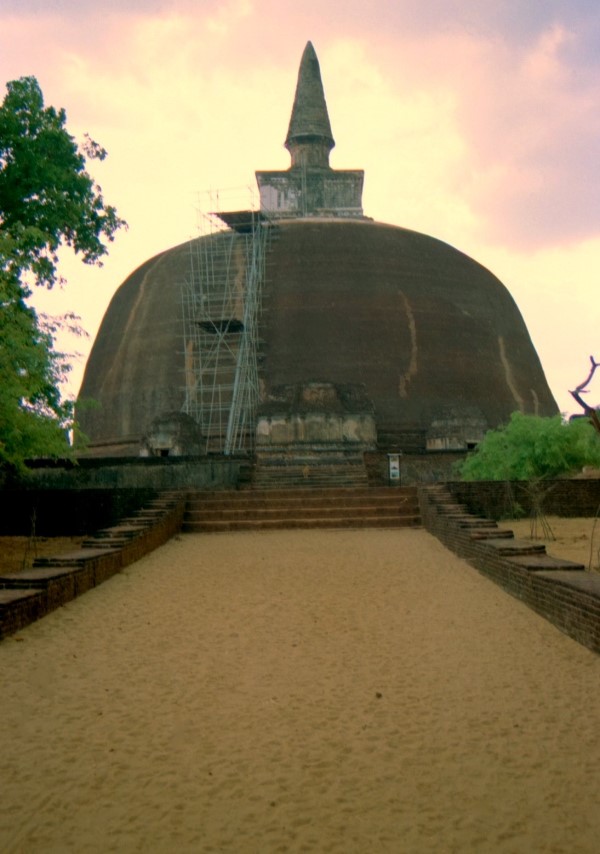
Polonnaruwa is famous for being Sri Lanka's best-preserved medieval royal capital — a UNESCO World Heritage Site featuring the Gal Vihara rock temple with its four colossal Buddha figures, the Royal Palace complex of King Parakramabahu I, the Vatadage circular relic shrine, and the Rankot Vihara dagoba.
❓ How far is Polonnaruwa from Colombo?
Polonnaruwa is approximately 230 km from Colombo — about 5 hours by car. DS Travels offers a private day tour from Colombo that combines Polonnaruwa, Sigiriya, and Dambulla in one full day.
❓ What is Gal Vihara at Polonnaruwa?
Gal Vihara is Polonnaruwa's most celebrated monument — four colossal Buddha figures carved from a single granite cliff face in the 12th century. The largest is a 15-metre reclining Buddha; there is also a magnificent 7-metre standing figure and two seated Buddhas.
❓ How long does it take to visit Polonnaruwa?
Allow at least 2.5 to 3 hours for a thorough visit. The site covers several square kilometres and is best explored by bicycle (available to hire at the entrance for around $2–3).
❓ What is the entry fee for Polonnaruwa?
The entry fee is approximately USD $25 per person for the combined ancient city ticket, covering all sites within the UNESCO World Heritage zone.