
🐆 Southern Province · South-East Sri Lanka
Yala National Park —
Leopards, Elephants
& Wild Sri Lanka
Sri Lanka’s most thrilling wildlife destination — home to the highest density of wild leopards on earth, Asian elephant herds, sloth bears, and over 215 bird species across 979 km² of pristine coastal wilderness.
979 km²
Park Area
#1
Leopard Density
215+
Bird Species
5
Safari Blocks
300 km
From Colombo


About Yala National Park
Yala National Park — Sri Lanka's Premier Wildlife Safari Destination
Yala National Park is Sri Lanka’s most famous wildlife sanctuary and the island’s second largest national park — a vast 979 km² coastal wilderness in the southeast that borders the Indian Ocean and shelters an extraordinary concentration of wildlife. Known officially as Ruhuna National Park, Yala has been a protected area since 1938 and is today the most visited national park in Sri Lanka, drawing wildlife enthusiasts, photographers, and nature lovers from around the world.
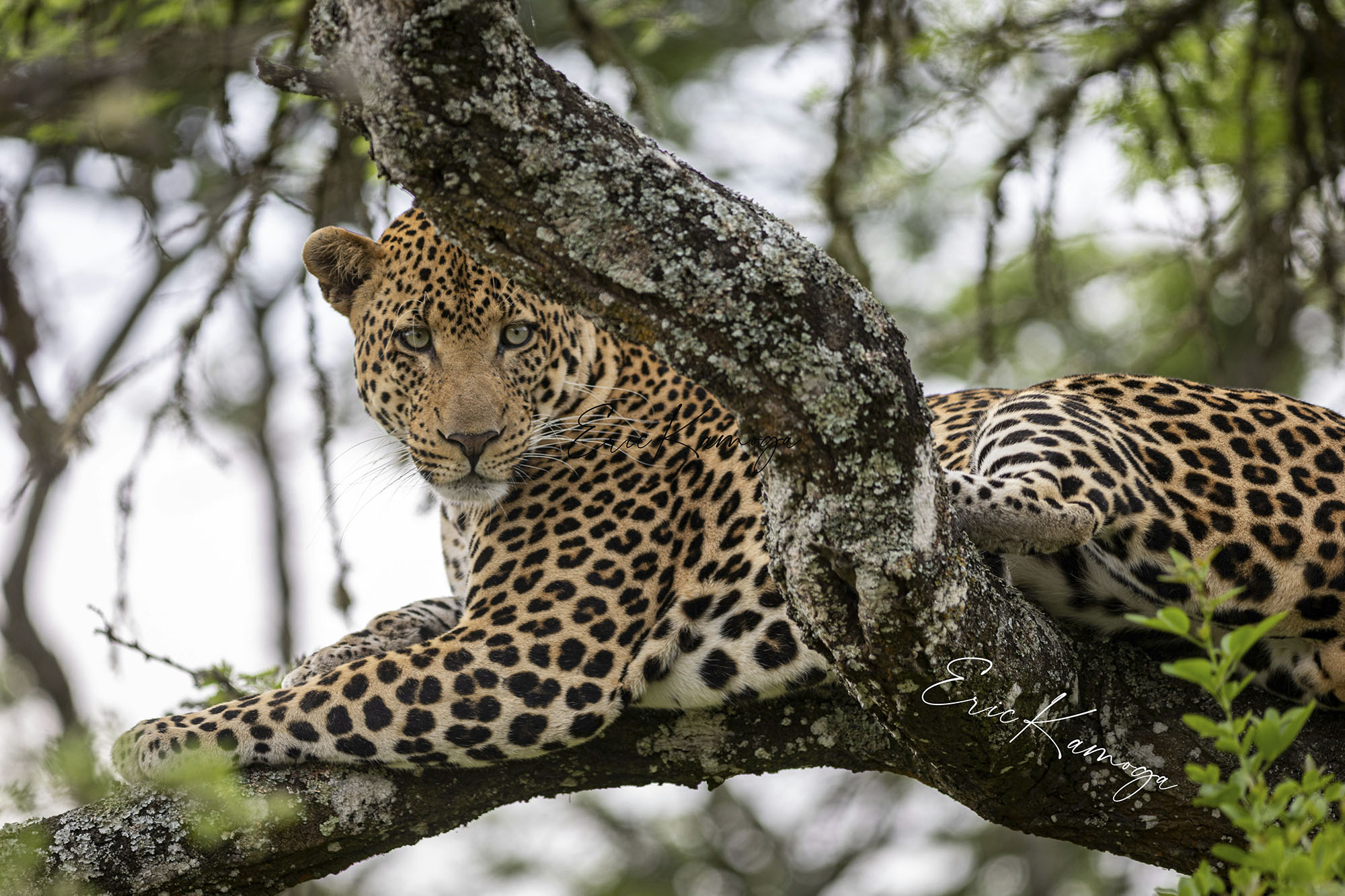
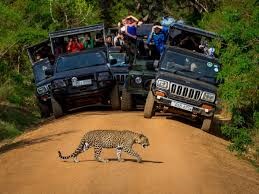
What makes Yala National Park truly extraordinary is its unrivalled population of Sri Lankan leopards (Panthera pardus kotiya) — the park is estimated to have the highest density of wild leopards of any protected area on earth, with around 35–45 leopards per 100 km² in Block 1. Unlike leopards in Africa or India, the Yala leopards are largely diurnal and remarkably comfortable around safari vehicles — making sightings far more frequent and closer than almost anywhere else in the leopard’s range.
Beyond its famous leopards, Yala is also home to large herds of Asian elephants, elusive sloth bears, mugger crocodiles, spotted and sambar deer, wild buffalo, jackals, mongoose, and over 215 bird species — including the national bird of Sri Lanka, the Sri Lanka junglefowl. The park’s diverse landscape of scrub jungle, grassland, rocky outcrops, lagoons, and coastal dunes creates a rich mosaic of habitats, each supporting different wildlife communities.
Yala Wildlife Guide
Animals You Can See at Yala National Park
🐆 Sri Lankan Leopard — The Star of Yala
The Sri Lankan leopard (Panthera pardus kotiya) is a subspecies found only on this island, and Yala Block 1 holds the highest density of wild leopards on earth. Unlike many leopard populations that are cryptic and nocturnal, Yala's leopards are frequently seen in open daylight — resting on rocks, patrolling territory, or hunting in the early morning. Sighting probability on a morning safari in the dry season is estimated at over 80%.
🐘 Asian Elephants
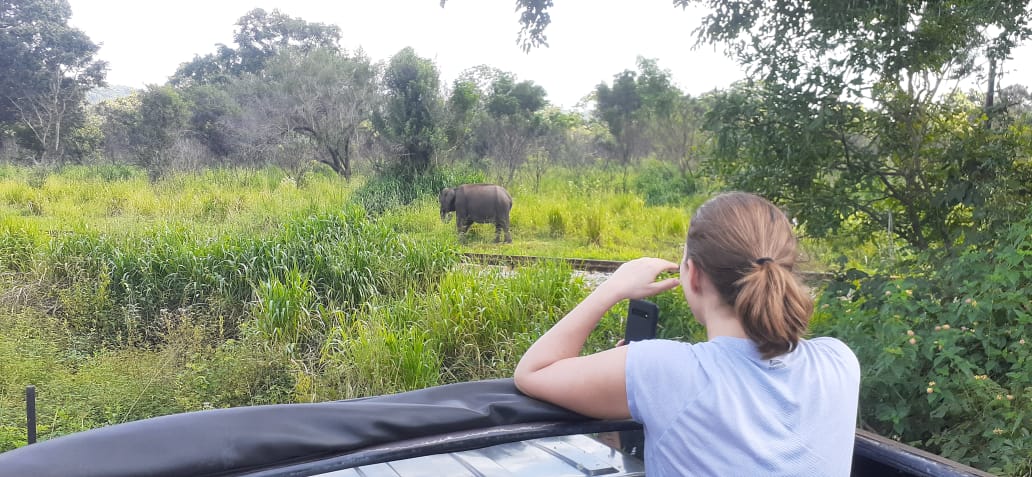
Yala supports a significant population of Sri Lankan Asian elephants (Elephas maximus maximus) — the largest subspecies of Asian elephant. Herds of 10–30 elephants are commonly seen at the park's lagoons and waterholes, particularly in the dry season between June and September when the Mahaweli River tributaries dry up and animals congregate. Solitary bulls are also frequently encountered on safari tracks.
🐻 Sloth Bear — Yala's Elusive Resident
The sloth bear (Melursus ursinus inornatus) is one of Yala's most sought-after sightings — genuinely shy and unpredictable, it is significantly harder to find than leopards or elephants. Sloth bears are most active at dawn and dusk, often foraging for termites near the rocky outcrops of Blocks 1 and 5. Your guide's local knowledge is critical for maximising your chances of a sighting.
🐊 Mugger Crocodile & Water Buffalo
The park's lagoons and tanks support large populations of mugger crocodiles — often seen basking motionlessly on mud banks near the water's edge. Wild water buffalo graze on the grasslands in small groups, accompanied by cattle egrets and often sharing wallows with crocodiles. These are among the easiest animals to observe on any Yala safari.
🦜 Birdlife — 215+ Recorded Species
Yala is exceptional for birdwatching — over 215 species have been recorded. Key species include the Sri Lanka junglefowl (national bird), painted stork, lesser adjutant stork, white-bellied sea eagle, crested serpent eagle, Indian roller, blue-tailed bee-eater, and during migration season (August–March) a remarkable variety of wading birds and raptors. The park's lagoons attract large flocks of wading birds from October onwards.
The Five Park Blocks
Yala National Park Blocks — Which One to Visit
📍 Block 1 — Palatupana (Main Block)
The most accessible and wildlife-rich section — this is where all day tours operate. Block 1 covers 141 km² and contains the highest leopard density. Most waterholes, lagoons, and rocky outcrops where wildlife congregates are in this block. Open daily 6 AM–6 PM.
📍 Block 2 — Buffer Zone
The buffer zone surrounding Block 1 — not open to safari vehicles but forms part of the wider protected ecosystem that allows wildlife to move freely. Critical for maintaining the park's leopard population and elephant corridors.
📍 Block 3, 4 & 5 — Wilderness Zones
Blocks 3 and 4 are strict nature reserves — closed to the public. Block 5 (Lunugamvehera) is accessible with special permits and offers a more remote, uncrowded experience particularly favoured by serious wildlife photographers and researchers.
📍 Kumana National Park (Yala East)
Yala's eastern sister park, adjoining Block 4 — famous for its spectacular bird colonies especially during nesting season (April–June). Less visited than Block 1, making it an excellent choice for birders seeking a quieter, more intimate wildlife experience.
Practical Visitor Information
Yala Safari Fees, Hours & Essential Tips
Insider Safari Tips
How to Get the Most from Your Yala Safari
The Palatupana gate opens at exactly 6:00 AM and dozens of jeeps rush in simultaneously. The first 30 minutes after opening are the golden window — leopards and sloth bears are still active from the night, dew is on the ground, and the soft morning light is extraordinary. Jeeps that enter at 6:01 AM get first access to key waterholes and sighting zones. Any later arrival means following tracks that have already been disturbed. DS Travels' 4:00 AM Colombo departure is specifically timed for this.
Yala's dry season runs roughly from February to July. As ponds and seasonal waterholes dry up, wildlife is forced to concentrate at the remaining permanent water sources — making animal encounters far more predictable and frequent. Leopard sighting rates in May–July can exceed 90% per safari. The October–January wet season still offers good sightings but animals are more dispersed and vegetation is thicker.
This sounds obvious but is frequently overlooked. Leopards and sloth bears are extremely sensitive to sudden noise. When a guide slows the vehicle near a potential sighting, everyone must be completely silent — no talking, no sudden movements, no camera shutter sounds if possible. A single loud noise has caused countless leopard sightings to evaporate. Put your phone on silent. Communicate only in whispers near wildlife.
Yala offers higher leopard sighting probability, a more dramatic open landscape, and is the more iconic safari experience — but can feel crowded in peak season with 50+ jeeps following the same sighting. Wilpattu (185 km from Colombo) offers a far more exclusive, uncrowded experience with excellent leopard and elephant sightings in a denser forest environment. For travellers who want the best possible safari experience, Wilpattu is often the better choice. For the iconic Sri Lanka safari name recognition, choose Yala.
The sacred Kataragama Devale is one of Sri Lanka's most important multi-faith pilgrimage sites — revered equally by Buddhists, Hindus, and Muslims. Just 15 km from Yala's gate, it is an outstanding cultural counterpoint to the wildlife experience. On Poya (full moon) days and during the Kataragama Festival (July–August), the temple comes alive with processions, firewalking, and thousands of pilgrims. Ask your DS Travels driver to include it on the return journey.
Frequently Asked Questions
Yala National Park — Common Questions Answered
❓ What animals can you see at Yala National Park?
Yala is home to Sri Lankan leopards (world's highest density), Asian elephants, sloth bears, spotted deer, sambar, wild buffalo, jackals, mongoose, mugger crocodiles, and 215+ bird species including painted storks, sea eagles, and Sri Lanka junglefowl.
❓ How far is Yala National Park from Colombo?
Yala is 300 km from Colombo — about 3.5–4 hours via the Southern Expressway. DS Travels offers a Yala day tour from Colombo with a 4:00 AM hotel pickup.
❓ What is the best time to visit Yala National Park?
February to July is the best time — dry season concentrates wildlife around waterholes and leopard sighting rates are highest. The park closes in September for annual maintenance.
❓ How much does a Yala safari cost?
Park entrance is ~USD 25–30 per person. Jeep hire is ~USD 40–50 per jeep. DS Travels day tour starts from $130 per person (transport only — park fees paid at the gate).
❓ Is Yala National Park closed in September?
Yes — Block 1 closes every September. Dates vary slightly each year. Wilpattu National Park is an excellent September alternative, just 185 km from Colombo.
Nearby Destinations
Explore Sri Lanka from Yala
Location
How to Get to Yala National Park
🗓️ Best Time for Yala Safari
Closes September · Best Feb–Jul
🚗 How to Get to Yala
From major cities in Sri Lanka
Book a Yala Safari with DS Travels
Pre-dawn pickup from Colombo or Negombo. Timed arrival at the 6 AM gate opening. Expert English-speaking driver. Reserve now, pay later.
📋 View Yala Safari Tours 💬 Chat on WhatsApp