
Dambulla Cave Temple —
Sri Lanka's Golden
Rock Sanctuary
A living UNESCO World Heritage Site carved into a 160-metre granite outcrop — five ancient cave sanctuaries housing 157 Buddha statues and 2,100 m² of Buddhist murals, continuously worshipped for over 2,200 years.

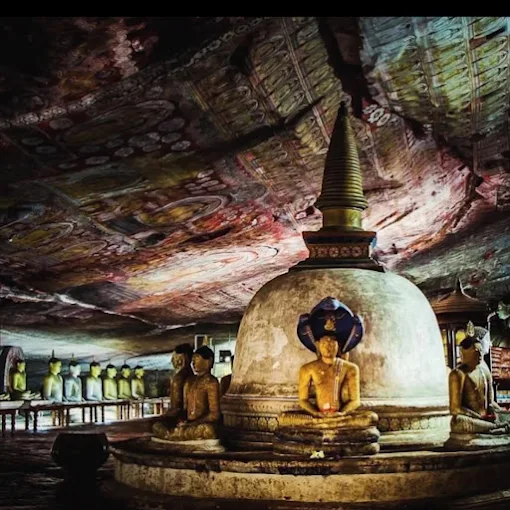
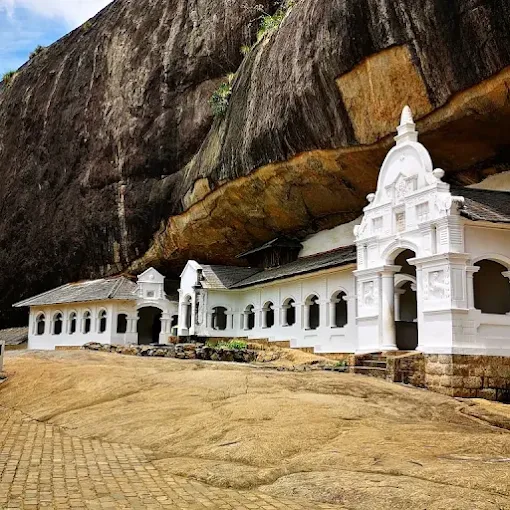
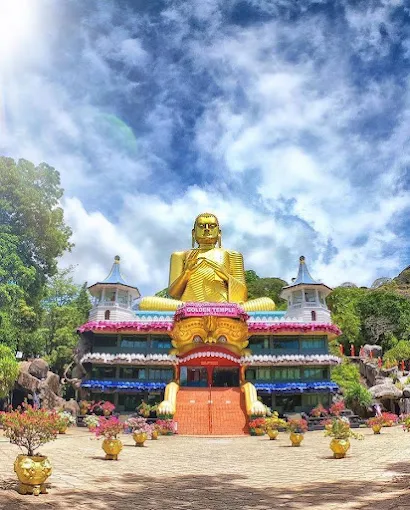
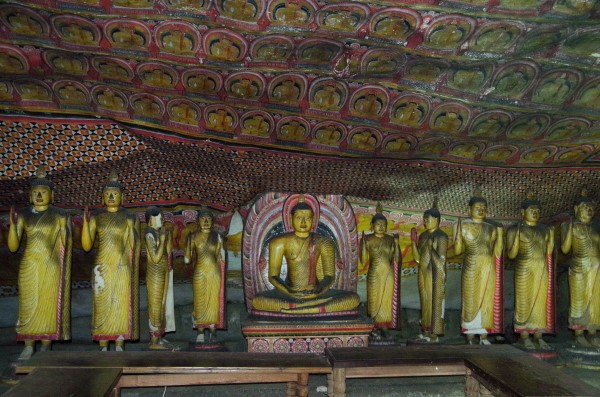
Dambulla Cave Temple — Sri Lanka's Greatest Buddhist Heritage Site
The Dambulla Cave Temple — formally known as the Rangiri Dambulla Cave Temple or the Golden Temple of Dambulla — is the largest and best-preserved cave temple complex in Sri Lanka. Carved into an enormous granite outcrop rising 160 metres above the surrounding plains, this extraordinary living monastery has been a sacred Buddhist pilgrimage site for over 2,200 years, making it one of the oldest continuously used places of worship in the world.
The cave temples trace their origins to around the 1st century BC, when King Valagamba was driven from his throne in Anuradhapura by invaders and sought refuge with the forest monks living in these caves. He lived here for fourteen years before reclaiming his kingdom — and in gratitude, he transformed the monks' modest cave shelters into five magnificent sanctuaries.
Recognised as a UNESCO World Heritage Site in 1991, the Dambulla Cave Temple complex contains 157 Buddha statues and over 2,100 square metres of Buddhist mural paintings — the most extensive collection of ancient Buddhist cave paintings in South Asia. Unlike many archaeological sites, Dambulla is still an active place of worship visited daily by Buddhist pilgrims.
The Five Cave SanctuariesInside the Dambulla Rock Temple: All 5 Caves Explained
Cave 1 — Devaraja Viharaya (Temple of the King of Gods)
The first and smallest cave contains a magnificent 15-metre reclining Buddha carved directly from the rock — the Parinibbana (final resting) position, representing the Buddha's passage into nirvana. A statue of King Valagamba and the Hindu deity Vishnu also stand inside, reflecting the temple's multi-faith heritage.
Cave 2 — Maharaja Viharaya (Temple of the Great Kings) — The Largest Cave
The largest and most impressive sanctuary at Dambulla, measuring 52 metres long, 23 metres wide, and 7 metres high. Contains 53 statues including a magnificent seated Buddha at the centre. The entire ceiling and walls are covered in vivid murals depicting scenes from the Buddha's life. The sacred Kiri Oya spring drips continuously from the cave ceiling into a golden pot — miraculous water that never overflows.
Cave 3 — Maha Aluth Viharaya (Great New Temple)
Commissioned by King Kirti Sri Rajasinha in the 18th century, this cave contains over 50 standing and seated Buddha statues, plus a notable statue of King Kirti Sri Rajasinha himself — one of very few depictions of a secular ruler inside a Sri Lankan cave temple.
Cave 4 — Paccima Viharaya (Western Cave)
One of the smaller sanctuaries, notable for a dagoba (relic stupa) at its centre — one of the few dagobas found inside a Sri Lankan cave temple. The murals display a distinctive style reflecting the later Kandyan school of painting.
Cave 5 — Devana Aluth Viharaya (Second New Temple)
The newest and smallest cave, featuring a 10-metre reclining Buddha and paintings of Hindu deities alongside the Buddha — a reflection of the religious syncretism that characterises Dambulla throughout its history.
Dambulla Cave Temple Entry Fee, Hours & Visitor Tips
What Every Visitor Should Know Before Going
The Dambulla Cave Temple closes daily from 10:30 AM to 11:00 AM for Buddhist worship. DS Travels' Sigiriya & Dambulla tour is specifically timed so you arrive at Dambulla by 10:00 AM — giving you a full 30 minutes before the closure, enough time to see all five caves without rushing.
This catches many visitors off-guard. The Dambulla Cave Temple entrance fee of Rs 2,000 per person must be paid in Sri Lankan Rupees — the ticket counter does not accept credit cards, debit cards, or foreign currency. If you're on a DS Travels day tour, inform your driver in advance so they can help you exchange money before arrival.
You must remove your shoes before entering each cave, and the rock and green carpet pathway between sanctuaries can become extremely hot in the middle of the day. Bring a pair of socks in your daypack — one of the most commonly overlooked pieces of advice for Dambulla.
While morning visits avoid the worship closure, the late afternoon (4:00–6:00 PM) is actually the most beautiful time to visit Dambulla. The cave interiors are lit with golden light, tourist crowds have thinned out, and the views from the rock terrace over the jungle plains — with Sigiriya visible 15 km in the distance — are extraordinary at sunset.
Dambulla and Sigiriya are just 18 km apart — a 20-minute drive. They make an ideal pairing for a single day visit: Dambulla first in the morning (before 10:30 AM), then Sigiriya from around 11:30 AM onwards. DS Travels' Sigiriya & Dambulla Day Tour is built exactly around this sequence and is the most popular single-day tour in Sri Lanka.
Dambulla Cave Temple — Common Questions Answered
❓ How much does it cost to enter Dambulla Cave Temple?
The entrance fee is Rs 2,000 per person (~USD 7). Cash in Sri Lankan Rupees only — no cards or foreign currency accepted at the ticket counter.
❓ What time does Dambulla Cave Temple open and close?
Open daily 7:00 AM – 7:00 PM. The temple closes for worship 10:30–11:00 AM daily. Ticket counter closes at 5:00 PM.
❓ How many Buddha statues are in Dambulla Cave Temple?
157 Buddha statues across five cave sanctuaries, along with over 2,100 m² of ancient Buddhist mural paintings — the largest collection of ancient Buddhist cave paintings in South Asia.
❓ Can I visit Dambulla Cave Temple on a day tour from Colombo?
Yes. Dambulla is 148 km from Colombo — approximately 3 hours by car. DS Travels offers private day tours from Colombo combining Dambulla with Sigiriya (just 20 minutes away).
❓ How long does it take to visit Dambulla Cave Temple?
A thorough visit to all five caves takes approximately 1.5 to 2 hours, including the 10–15 minute climb up the rock staircase.
Explore the Cultural Triangle from Dambulla
How to Get to Dambulla Cave Temple
🗓️ Best Time to Visit
Open year-round · Avoid 10:30–11:00 AM closure
🚗 How to Get to Dambulla
From major cities in Sri Lanka
Visit Dambulla Cave Temple with DS Travels
Private pickup from Colombo or Negombo. Timed arrival before the 10:30 AM closure. English-speaking driver throughout.
📋 View Dambulla Day Tours 💬 Chat on WhatsAppBook a Dambulla Cave Temple Day Tour from Colombo or Negombo
DS Travels times every Dambulla tour so you arrive before 10:30 AM — then continues to Sigiriya, Polonnaruwa, or Ritigala for the rest of the day. Private A/C vehicle, expert English-speaking driver, reserve now pay later.
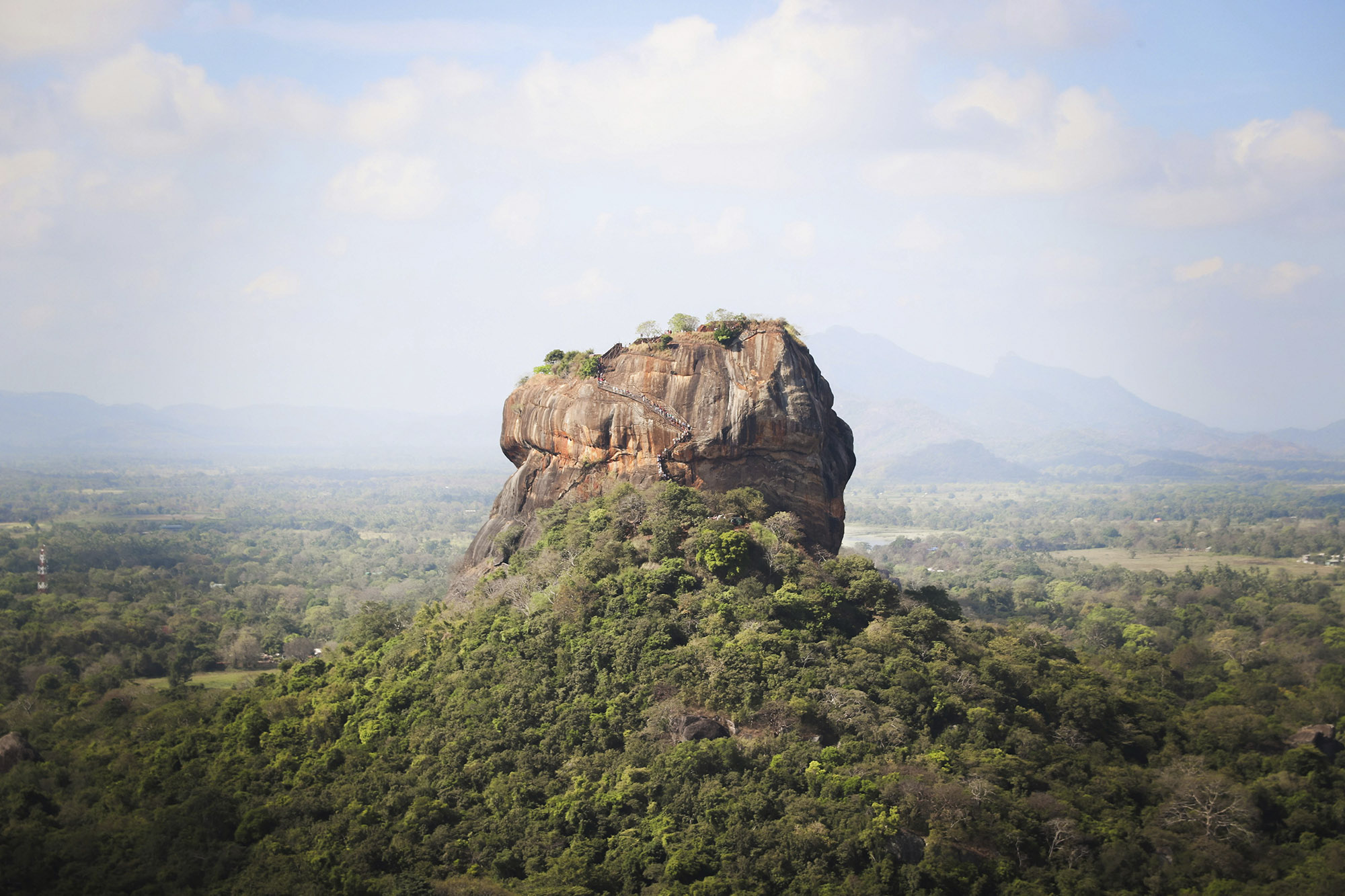
Colombo to Sigiriya Rock
Dambulla Cave Temple National Park Jeep safari
The classic Cultural Triangle day — timed perfectly around the 10:30 AM Dambulla closure, then Sigiriya in the afternoon.
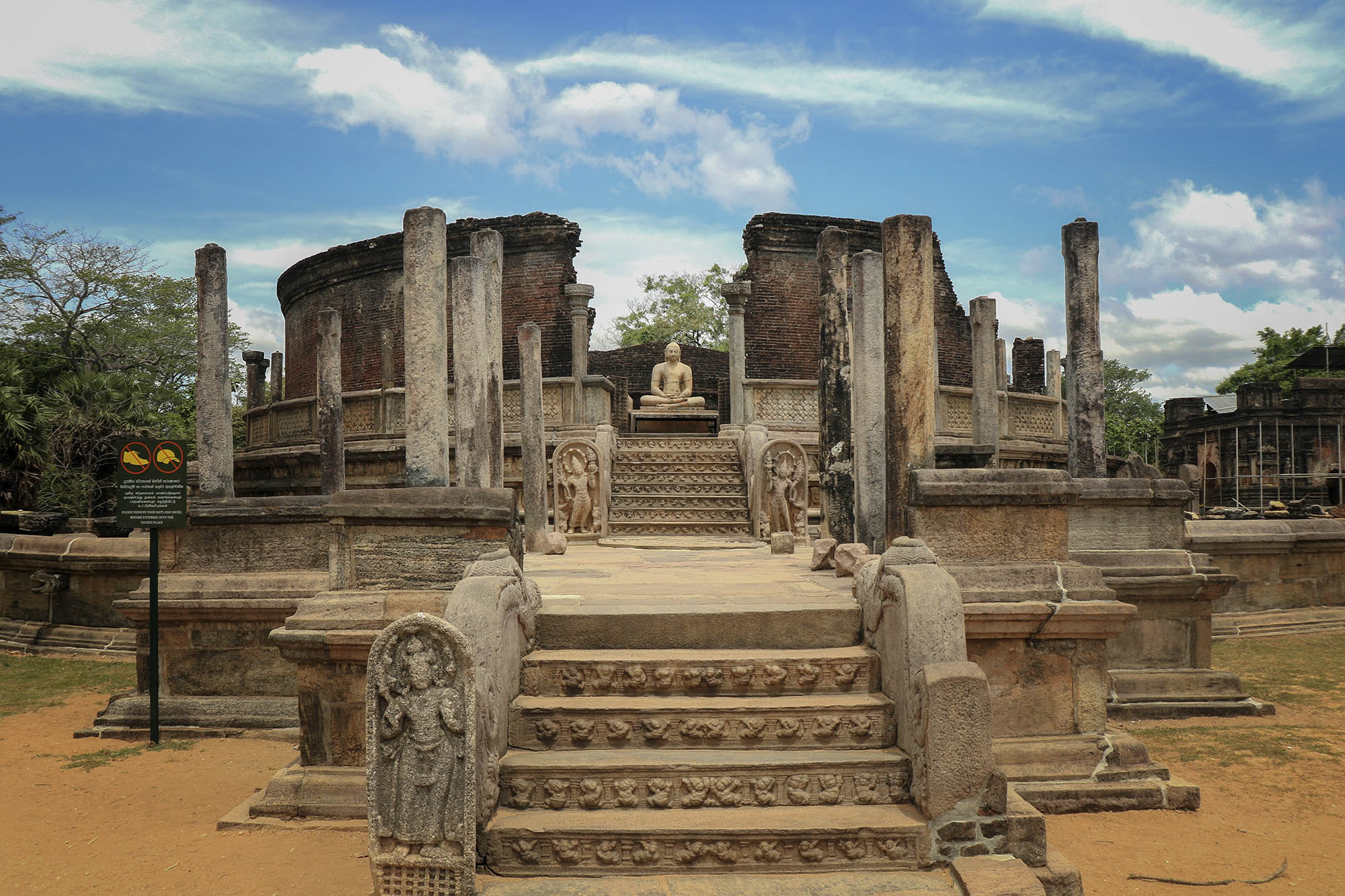
Colombo / Negombo to day tour from
polonnaruwa ancient city, Sigiriya Rock, Dambulla Cave Temple
Three UNESCO World Heritage Sites in one day — Polonnaruwa's Gal Vihara, Sigiriya Lion Rock, and Dambulla Cave Temple.
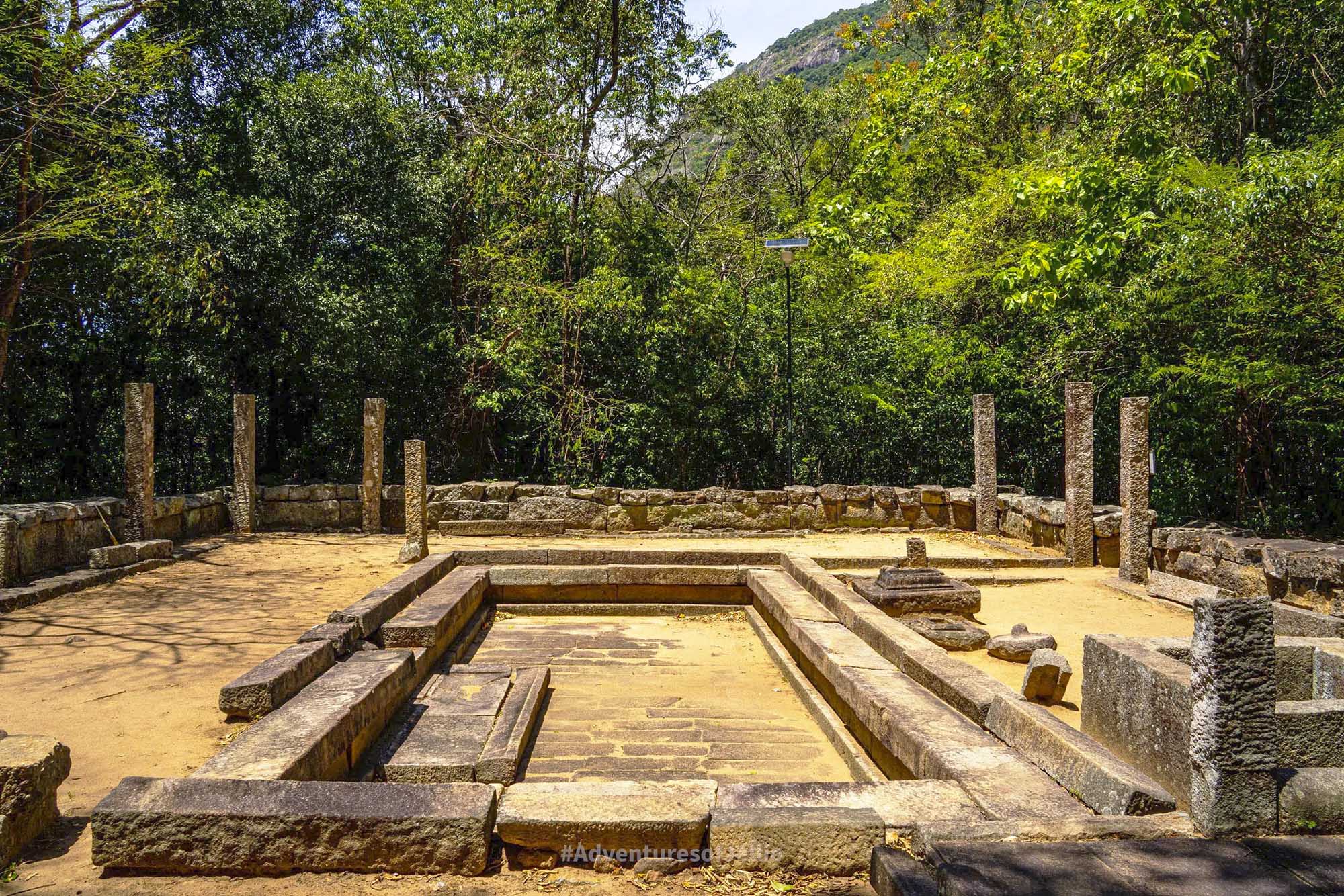
Anuradhapura day tour from
Ritigala, safari, Polonnaruwa, Sigiriya Rock, Dambulla Cave Temple
Four extraordinary heritage sites in one epic day — hidden jungle monastery, ancient royal capital, iconic Lion Rock, and Dambulla caves.